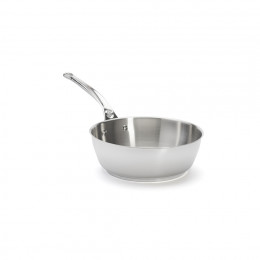
How to care for your stainless steel frying pan?

a

How do I care for my stainless steel pan?

You might be wondering why it's necessary to maintain a stainless steel pan. It's quite simple—just like any material we use for our cooking utensils, stainless steel needs proper care to preserve the shine and longevity of your pans and pots.

Best Practices for Maintaining Stainless Steel Cookware

If you want to pamper your stainless steel cookware, it's important to follow a few basic steps—both during use and afterwards. Although stainless steel is a durable material, it will last even longer if you follow our care tips.

Usage

When using a stainless steel pan, it's important to heat it gradually to avoid any risk of thermal shock. Increasing the temperature slowly is the best way to heat your pan without causing warping or deformation.

Cleaning

Although your stainless steel pans and pots are dishwasher-safe, we recommend hand-washing for gentler care.

Ideally, use hot soapy water and scrub with a soft, non-abrasive sponge.

Drying

Right after cleaning, we suggest drying your cookware with a clean cloth. This helps prevent water spots, limescale, or mineral stains from forming.

Storage

Store your stainless steel cookware in a dry place. Use protective layers between each item to avoid potential knocks and scratches.

Mistakes to Avoid with Your Stainless Steel Cookware

Using abrasive sponges

For stubborn food residue, soak your cookware in hot water for a while before cleaning. This helps loosen debris without damaging the surface.

Using harsh detergents

Chemical reactions from aggressive cleaning products can alter the color of stainless steel. Stick to gentle, non-corrosive cleaners.

Using the booster function (except for large volumes of water)

Avoid thermal shock—not just for your stainless steel pan, but for all your cookware. Sudden temperature changes can cause warping or damage.

Heating at high temperatures

Prolonged exposure to intense heat may cause stainless steel to develop a bluish tint. Moderate heat is best for preserving its appearance.

Stainless steel straight sauté-pan ALCHIMY

Stainless steel multilayer 3-ply sauté-pan. Available on Ø24 and 28cm.

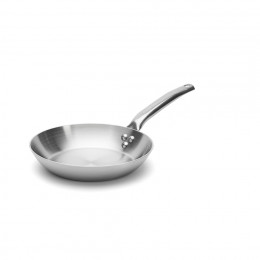
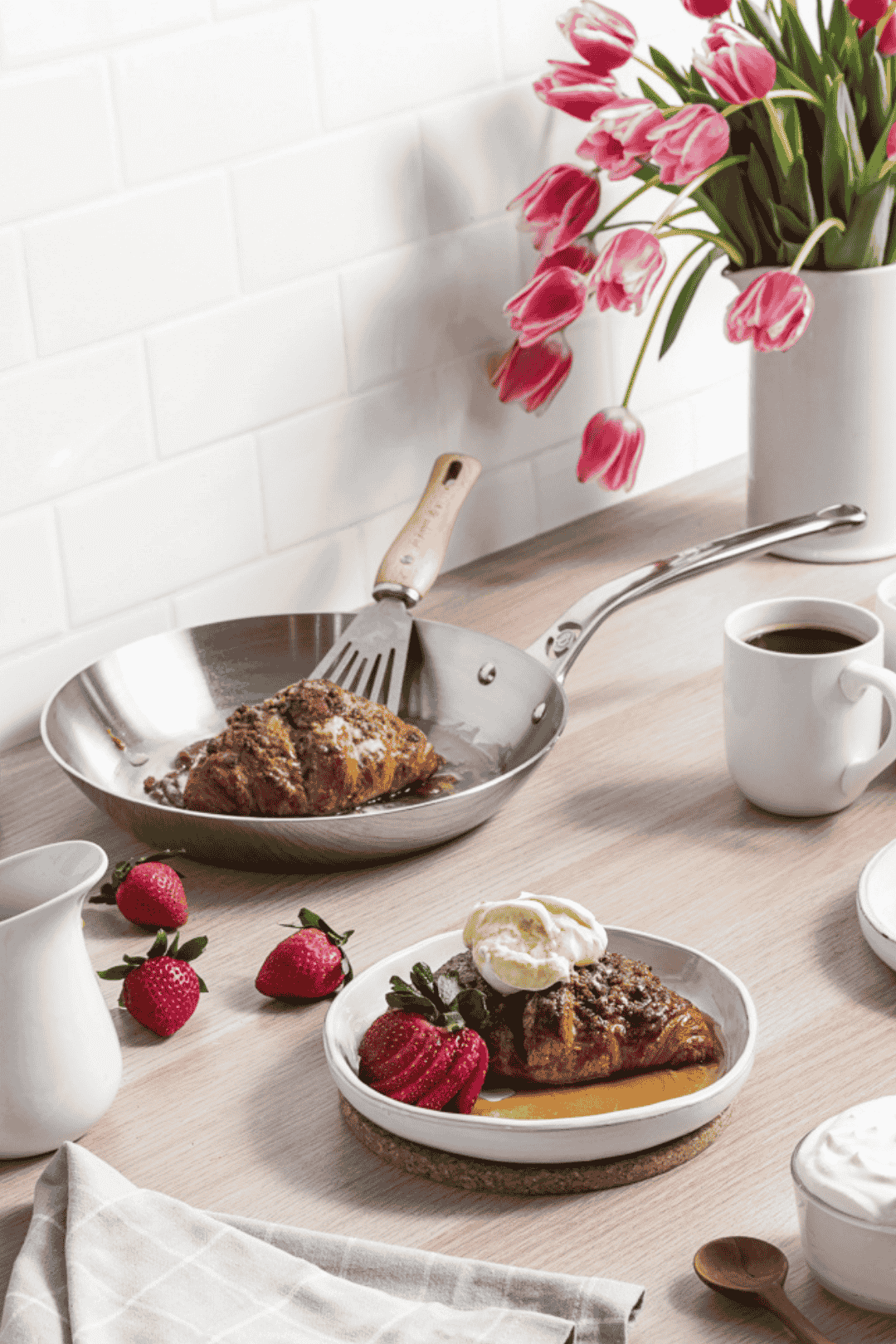
Stainless steel frying pan ALCHIMY

Stainless steel multilayer 3-ply frying pan ALCHIMY. Available on Ø20, 24, 28 and 32cm.

How to Remove Stubborn Stains or Discoloration from a Stainless Steel Pan

It's important to identify the different types of stains that can appear on your stainless steel pan or pot: white spots, rainbow hues, or bluish marks... Each stain corresponds to a specific issue which, rest assured, can be easily resolved. Discover how to get rid of any stubborn stain with the right approach.

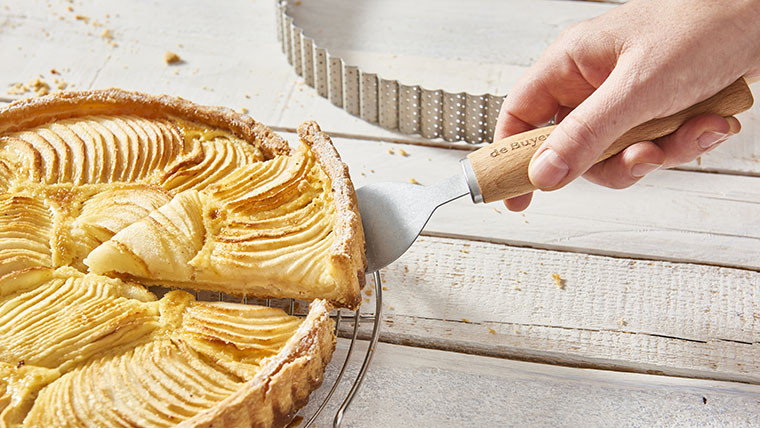
Flexible turner stainless steel and wood B Bois 30cm

Beech wood handle treated with beeswax. Total length: 30cm.

Stainless steel frying pan AFFINITY

Stainless steel multilayer 5-ply frying pan. Available on Ø20, 24, 28 and 32cm.

For every type of stain, there's a suitable solution—and in most cases, all you need are simple, effective products: baking soda and white vinegar.

Golden rule: Don’t let stains build up on your pans!

Limescale or Mineral Deposits

If your tap water is hard, limescale can easily form inside your stainless steel cookware. To remove it effortlessly:

  • Pour a small amount of white vinegar into the pan
  • Heat for a few minutes until it boils
  • Rinse and dry thoroughly

Rainbow Stains

Often seen after cooking starchy foods like pasta or rice, or boiling water at high temperatures. To eliminate them:

  • Pour a small glass of white vinegar into the pot and add a bit of baking soda
  • Heat until boiling
  • Let cool, then scrub gently
  • Rinse with clean water and dry

Blue Discoloration

These stains are usually caused by prolonged exposure to high heat or by using incompatible metal utensils (like aluminum).

To remove heat stains:

  • Scrub the surface with a paste made of baking soda and water
  • Rinse and dry to prevent water spots

White Spots or Rust

Although stainless steel is resistant to corrosion, it is not entirely immune, and surface rust can appear—especially when your stainless steel pan has been in contact with other metals. Similarly, abrasions or scratches can create areas that are more vulnerable to corrosion.

To remove rust stains or white spots, simply gently scrub the affected area with a paste made from baking soda and water. Then rinse thoroughly and dry carefully.

Light Yellow or Brown Stains

These stains are usually caused by overheating stainless steel cookware. They can be reduced with a stainless steel cleaning product, such as silver stone (Pierre d’Argent).

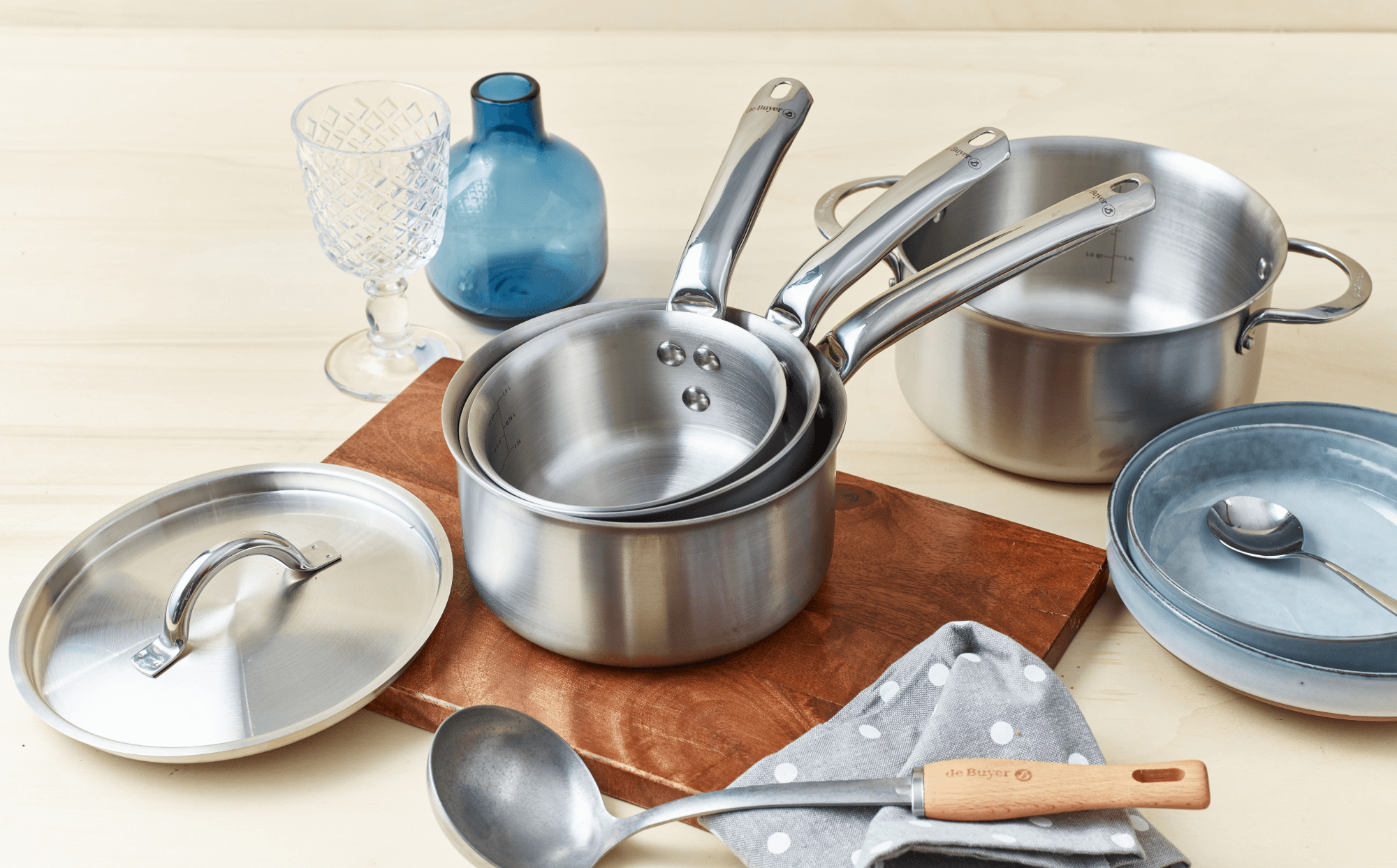
Stainless steel stewpan AFFINITY with lid

Stainless steel multilayer 5-ply stewpan. Available on Ø16, 20, 24 and 28cm.

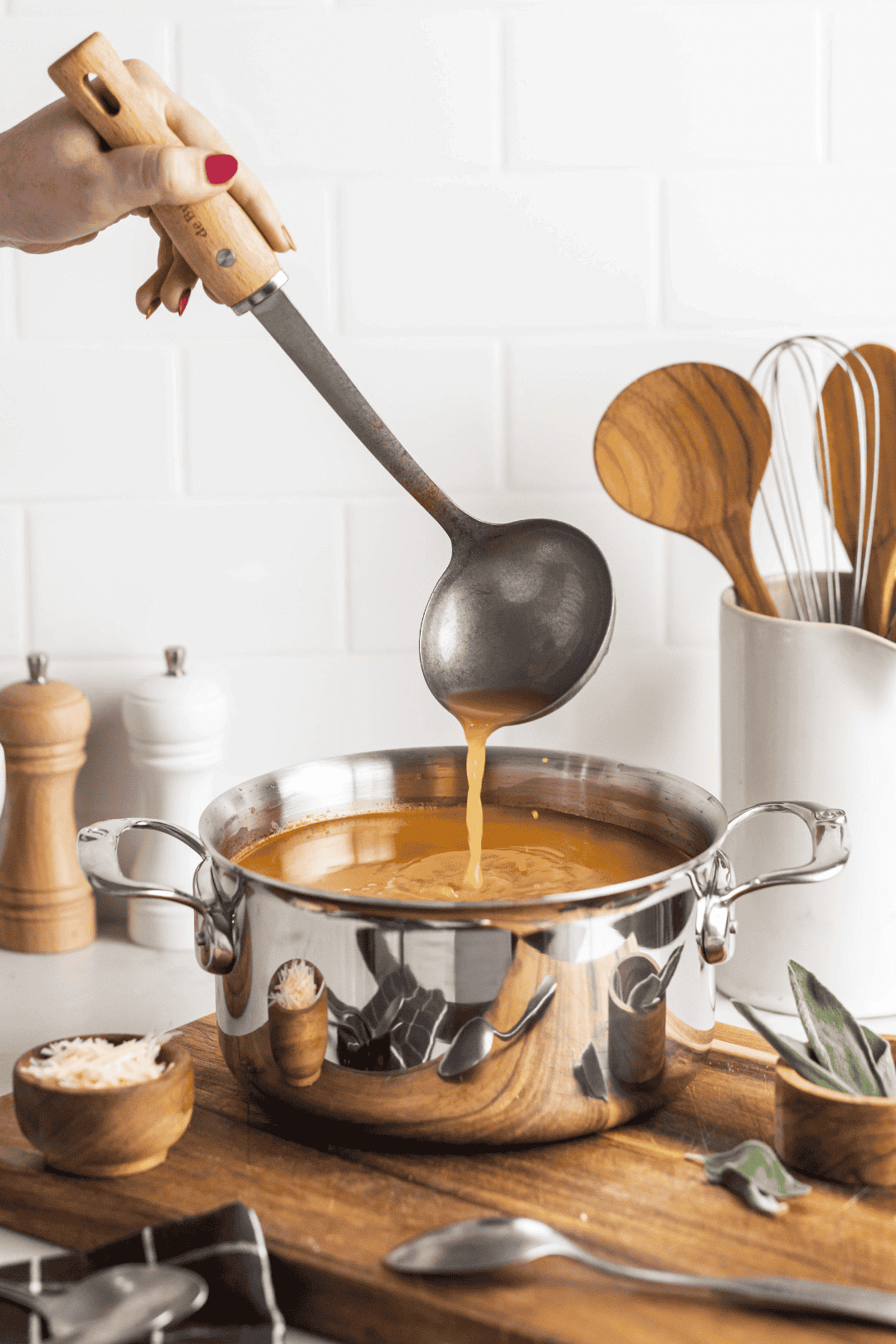
Ladle stainless steel and wood B Bois 34cm

Beechwood handle treated with beeswax. Total length: 34 cm.

Key Tips for Proper Stainless Steel Pan Maintenance

To preserve the overall appearance and shine of stainless steel on a daily basis, just follow a few simple rules:

Dry thoroughly after each wash

To prevent many types of stains, we recommend drying your pan with a soft cloth after cleaning—ideally by hand.

Store your pans properly

To extend their lifespan, take good care of your de Buyer pans. Use pan dividers to prevent them from scratching each other, and store them in a dry place.

Use
baking soda

This simple product is a perfect solution for maintaining stainless steel. Mixed with a little water, it forms a paste that can clean many types of stains. Don’t hesitate to use it from time to time to keep your cookware in top condition.

1 Liked
Related posts